
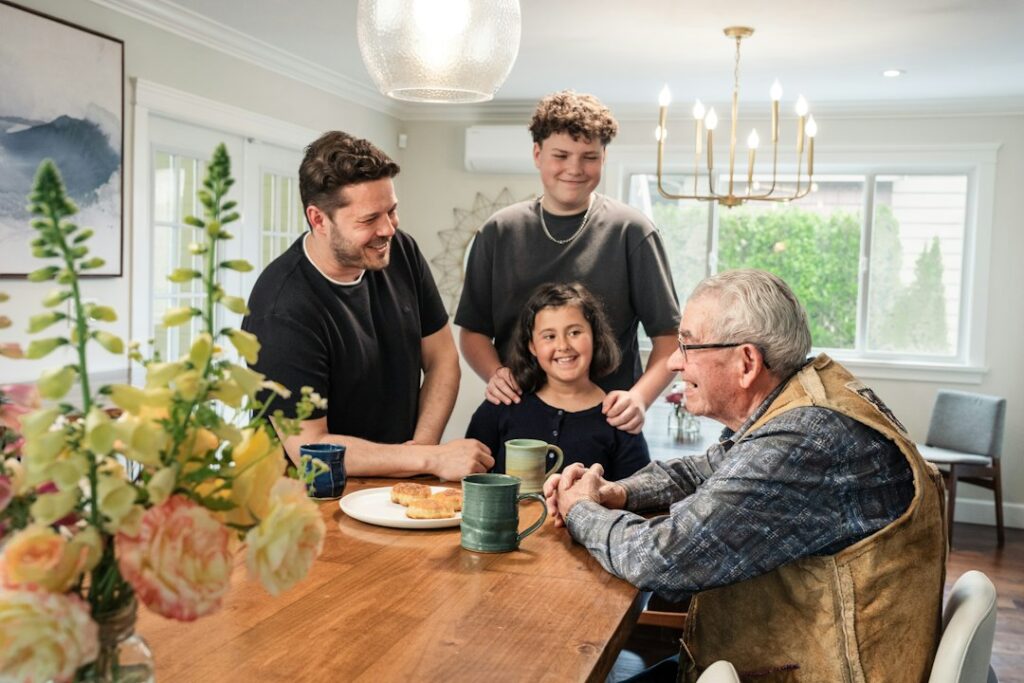
Caregiver guilt is the painful feeling that you are not doing enough for a parent, spouse, relative, or friend who needs assistance. It can appear even when a caregiver is making thoughtful, steady, and generous decisions.
For households in Catasauqua, caregiving may involve coordinating appointments, helping with meals, managing medications, checking on someone during winter weather, or deciding whether assisted living would provide more support. These responsibilities can create emotional pressure, especially when family members disagree about what should happen next.
Guilt does not automatically mean a caregiver has made a wrong decision. Often, it means the situation matters deeply.
Why do caregivers feel guilty?
Caregiver guilt usually comes from a conflict between what a person believes a loved one deserves and what is realistically possible. Many caregivers quietly expect themselves to provide constant attention, prevent every problem, and remain patient at all times.
Common sources of guilt include:
- Feeling responsible for a loved one’s sadness, confusion, or declining health
- Needing time away from caregiving duties
- Living at a distance or being unable to visit every day
- Asking relatives to share responsibilities
- Considering assisted living or another change in care
- Becoming frustrated, tired, or short-tempered
- Spending money on personal needs while a relative needs support
- Comparing personal efforts with the caregiving efforts of others
Caregiving is not measured by the absence of difficult emotions. A person can love someone deeply and still feel exhausted, resentful, worried, or uncertain.
How can a caregiver tell the difference between guilt and responsibility?
Guilt says, “I should have done more,” even when the caregiver has acted reasonably. Responsibility focuses on what is actually within the caregiver’s control.
A useful review includes three questions:
1. Was the decision based on the loved one’s safety, health, and quality of life?
2. Was the available information considered honestly?
3. Was the caregiver acting within realistic limits?
If the answer to these questions is generally yes, guilt may be reflecting emotional strain rather than wrongdoing.
For example, a caregiver who cannot safely provide overnight supervision is not necessarily abandoning a loved one. Recognizing a limit may be a responsible step, particularly if falls, medication mistakes, wandering, or unsafe cooking have become concerns.
What can help reduce caregiver guilt?
The first step is to replace vague self-criticism with specific facts. Instead of thinking, “I am failing,” describe the situation plainly: “I prepared meals, arranged transportation, checked the medication list, and called twice this week, but I cannot provide continuous supervision.”
Written details can make the workload more visible. A simple record might include:
- Tasks completed during the week
- Unresolved safety concerns
- Hours spent providing care
- Help received from relatives or friends
- Decisions that require discussion
This approach does not turn caregiving into a scorecard. It helps reveal whether expectations are realistic and where support is missing.
It also helps to separate love from constant availability. Being unavailable for part of a day does not erase years of care. Rest, employment, parenting, medical appointments, and sleep are legitimate needs rather than selfish distractions.
How should family members talk about guilt?
Family conversations are more productive when they focus on shared observations instead of blame. A statement such as “You never help” often leads to defensiveness. A more specific approach is, “The evening medication routine is becoming difficult to manage alone, and a plan is needed.”
Useful discussion topics include:
- Which tasks must happen every day
- Which responsibilities can be rotated
- What changes would improve safety
- What the older adult wants and does not want
- Which decisions are urgent and which can wait
- How family members will communicate updates
A written schedule can prevent one person from becoming the automatic coordinator for every detail. It may also show that some duties need to be simplified, postponed, or handled through a different living arrangement.
Does choosing assisted living mean a family has failed?
No. Assisted living can be considered when a person needs more daily structure, supervision, meals, medication reminders, or opportunities for social connection than a household can reliably provide.

The decision should be based on needs and safety rather than on a standard of personal sacrifice. A family may continue to provide emotional support, visits, transportation, communication, and advocacy even when daily care takes place in an assisted living setting.
Guilt often becomes strongest during transitions because family members may interpret a move as rejection. In practice, a change in living arrangement can allow relationships to include more conversation and companionship and less task management.
The older adult’s preferences should be included whenever possible. If memory loss or impaired judgment affects decision-making, family members may need to balance personal wishes with immediate safety and legal authority.
How can caregivers handle guilt after losing patience?
Brief frustration does not define a caregiver’s character. However, repeated yelling, threats, neglect, or unsafe handling should not be dismissed as normal stress. These are signs that the caregiving arrangement needs immediate attention.
After a tense interaction, a caregiver can:
- Pause before continuing the conversation
- Apologize for the specific behavior
- Identify what triggered the conflict
- Arrange a short break or change of task
- Ask another responsible person to take over temporarily
- Reconsider whether the current level of care is manageable
If anyone is at immediate risk of harm, separating the people involved and seeking urgent help is necessary. Safety takes priority over protecting appearances or avoiding an uncomfortable conversation.
What local conditions can make caregiver stress worse?
Seasonal conditions can add practical pressure for households in Catasauqua. Winter ice, snow, shorter daylight, and difficult walking conditions may increase concerns about falls, driving, heating, and getting to appointments. Older homes or multi-level layouts can also make bathing, stairs, and nighttime movement more difficult.
Planning ahead may reduce guilt because fewer decisions must be made during a crisis. Before severe weather or a busy holiday period, families can review:
- Backup transportation options
- Extra food and medication supplies
- Emergency contact information
- Heating and lighting concerns
- Safe pathways, handrails, and bathroom access
- Who will check on the older adult if regular plans change
Preparation cannot remove every problem, but it can reduce the feeling that one caregiver must solve everything alone.
When should caregiver guilt be taken seriously?
Guilt deserves closer attention when it is constant, prevents sleep, causes hopelessness, or leads to withdrawal from normal activities. Persistent anxiety, depression, anger, or thoughts of self-harm require prompt support from a qualified health professional or emergency service.
Caregivers should also take worsening physical symptoms seriously, including chest pain, fainting, severe exhaustion, or repeated mistakes caused by lack of sleep. The goal is not to prove endurance. The goal is to create a care plan that is safe for both the older adult and the person providing assistance.
A more balanced question than “Am I doing enough?” is: “Is this care plan safe, sustainable, and respectful of everyone involved?” That question allows room for love, limits, shared responsibility, and changing needs.
