

What Is Assisted Living and How Does It Support Residents Near the End of Life?
Assisted living provides a residential environment for older adults who need help with daily activities but do not require the round-the-clock medical care that a nursing home delivers. These communities offer personal care, meals, social engagement, and a sense of stability, which can be especially valuable for residents approaching end-of-life stages.
Many area households may not realize that assisted living settings are not designed as hospice or medical facilities. However, they often work with visiting healthcare providers and hospice agencies to support residents with comfort, symptom management, and emotional care. Families sometimes worry they must move their loved one again as needs increase, but many communities collaborate with hospice care so residents can remain in familiar surroundings during their final months if local resources allow.
What Does “End-of-Life Care” Mean in Assisted Living?
End-of-life care refers to a combination of services focused on physical comfort, emotional support, and quality of life for individuals facing a life-limiting illness or nearing death. In the context of assisted living, this typically includes:
- Symptom relief, such as managing pain or shortness of breath
- Help with bathing, dressing, eating, and mobility
- Social and spiritual support for both the resident and their loved ones
- Coordination between personal care staff and healthcare professionals
It’s a common misconception that end-of-life care can only happen in a hospital. In fact, many people prefer to spend their last days in familiar surroundings, surrounded by the routines and staff they know.
Can Residents Stay in Assisted Living Through the End of Life?
Usually, residents can remain in assisted living as long as their needs do not exceed what state regulations or staffing can safely provide. In Pennsylvania, licensing rules may limit some types of skilled nursing or high-level medical interventions on-site. However, with proper planning, many assisted living communities and local hospice agencies work together to enable a resident to stay until the end of life.
Key factors influencing whether a resident can stay include:
- The ability to manage symptoms safely with visiting hospice or palliative care
- Whether the community’s staff can assist with daily needs under physician guidance
- Family involvement and preferences
Families should check with the community's management about policies and options, since some situations—such as medical instability or certain treatments—may require a different setting.
What Services and Support Can Families Expect During This Time?
Assisted living teams provide ongoing personal care and coordinate logistics, such as:
- Helping with medication reminders
- Communicating with hospice or healthcare providers
- Encouraging hydration and nutrition when possible
- Supporting visits from family, clergy, or friends
Outside hospice agencies often add layers of support including pain management, emotional guidance, and spiritual care. Local residents can expect that care plans will be regularly updated to adapt to changing needs, ensuring comfort remains the priority.
How Do Assisted Living Staff and Hospice Work Together?
Communication is at the heart of effective coordinated care. In many local settings, assisted living staff handle daily routines—bathing, meals, social interaction—while hospice professionals oversee pain and symptom management, and offer counseling or spiritual care for both the resident and their family. This partnership enables:
- Efficient sharing of updates on the resident’s condition
- Timely adjustments to care plans
- Guidance for families making difficult decisions
Some families worry that adding hospice means giving up regular assisted living care. In practice, both teams generally work in tandem so residents continue receiving help from the staff they know, while new specialists address increasing medical needs.
What Should Families in Catasauqua Consider When Planning Ahead?
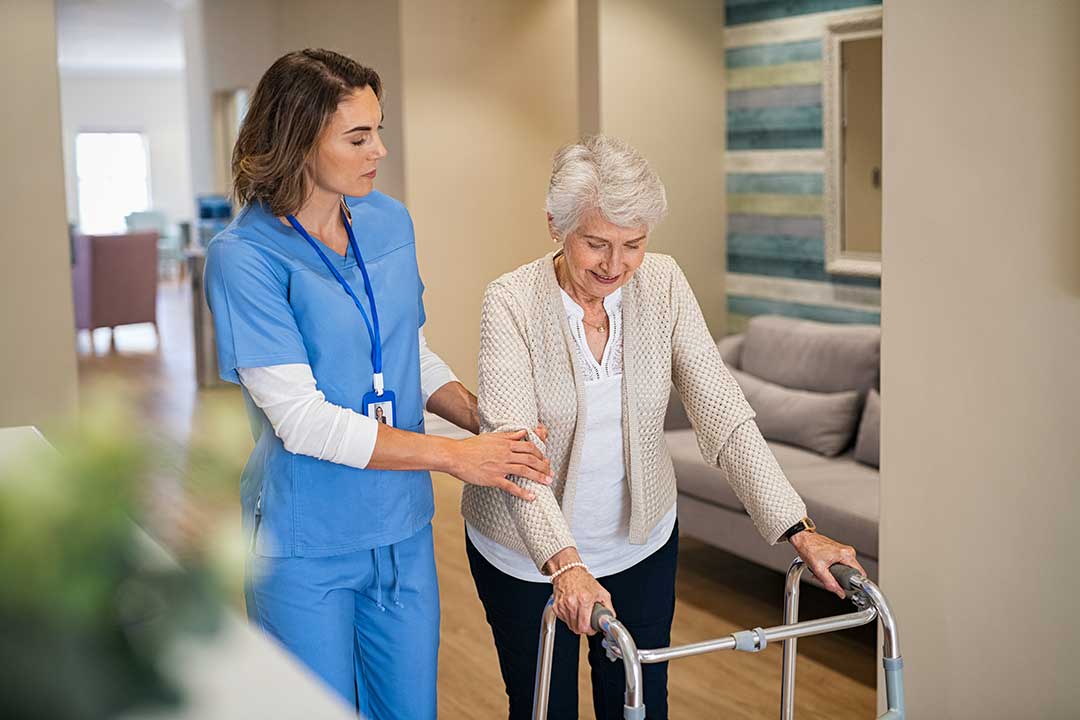
Planning can reduce stress for local households when a loved one’s health declines. Practical preparation often includes:
- Discussing wishes for end-of-life care with the resident, if possible, before needs become urgent
- Learning about assisted living community guidelines regarding hospice and continued residence
- Understanding visitation rules, especially during flu season or public health events
- Reviewing advance directives, powers of attorney, and emergency contacts
Misunderstandings sometimes arise when families assume all preferences can be honored regardless of regulations. Setting clear expectations for services and procedures within local communities helps families avoid avoidable transitions and ensures care matches the resident’s values.
What Does a Typical Experience Look Like for Residents and Families?
In practice, families in Catasauqua can expect that as a resident nears end of life:
- Staff increase monitoring and support, prioritizing comfort over cure
- Visiting nurses may adjust or remove non-essential medications
- Room visits by clergy or companions are encouraged, according to household wishes
- Social activities remain available as desired, but routines may shift toward rest and privacy
Family members are usually invited to be present as much as possible and can participate in care if they wish. Area traditions—such as involving favorite religious leaders or family meals—can often continue within the assisted living setting.
Are There Limitations to What Assisted Living Can Provide?
While assisted living can provide significant support, there are boundaries families should be mindful of:
- Facilities are not equipped for continuous medical interventions (e.g., IV drips, ventilators)
- Regulations may require a move to a more intensive healthcare setting if medical needs exceed what is safe “in house”
- Ongoing review by healthcare professionals determines when transition is necessary
Understanding these limits in advance lowers the risk of emergency moves and helps families plan for a compassionate, person-centered approach through every stage.
